All of Rissho Kosei-kai’s peace activities are based on the teachings of the Lotus Sutra: Truth is universal and all religions are manifestations of that truth; all life springs from the same source and thus all people are related and belong to one family. The organization’s dedication to dialogue and cooperation with other religions is a natural corollary of the teachings. This is why, ever since its founding, Rissho Kosei-kai has sought to cooperate with other religions. Rissho Kosei-kai believes that true peace can come about only through cooperation among religions, and leaders as well as members of Rissho Kosei-kai are dedicated to working for a world in which people of all persuasions will be linked by bonds of friendship.
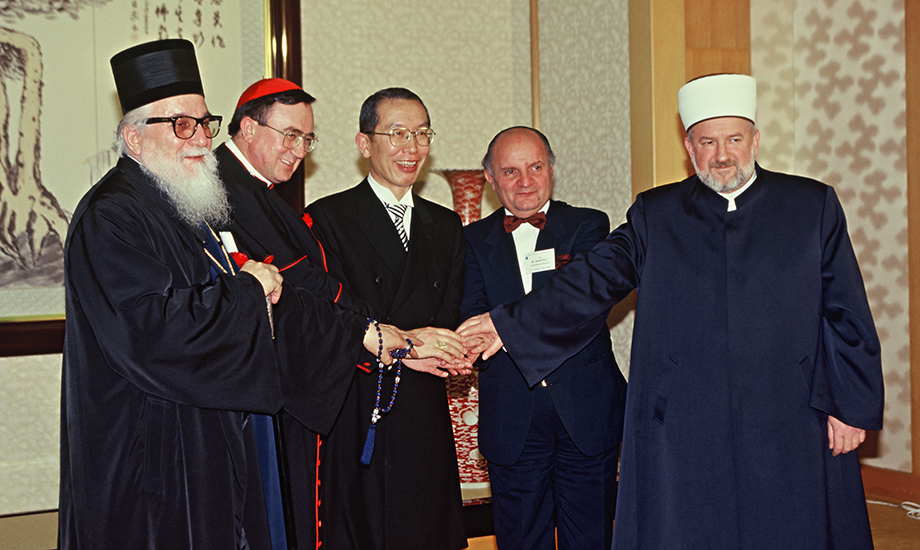
Religions for Peace (RfP)
Religions for Peace (RfP), formerly called World Conference of Religions for Peace (WCRP), is one of the largest interreligious networks promoting collaboration among religious organizations around the world. RfP strives for peace building, human development, social justice and harmony, and environmental protection. RfP’s global multi-religious network consists of six regional interreligious groups including more than ninety national councils.
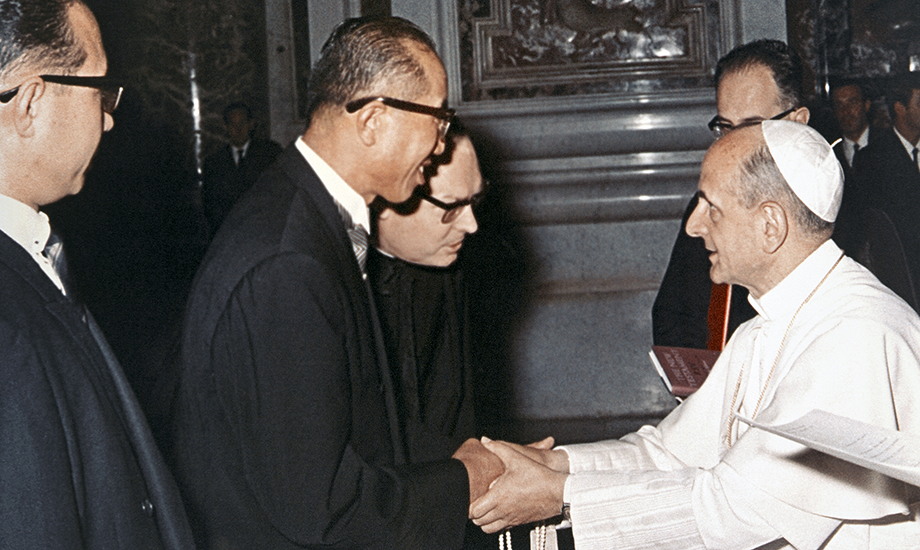
Rissho Kosei-kai has been involved with RfP’s activities for world peace since its inception. In the 1960s Rev. Nikkyo Niwano, founder of Rissho Kosei-kai, strove to establish the World Conference of Religions for Peace with other religious leaders in Japan and the world over. In 1970 the first world assembly of WCRP convened in Kyoto, Japan. World religious leaders met to share their goals and contribute to world peace in the spirit of interreligious cooperation. In 1973, Religions for Peace was granted Consultative Status, Category II, by the UN Economic and Social Council (ECOSOC).
RfP has continued to hold its periodic world assembly: the second one at Louvain, Belgium, in 1974; the third at Princeton, USA, in 1979; the fourth at Nairobi, Kenya, in 1984; the fifth at Melbourne, Australia, in 1989; the sixth at Vatican and Riva del Grade, Italy, in 1994; the seventh at Amman, Jordan, in 1999; the eighth at Kyoto, Japan, in 2006; the ninth at Vienna, Austria, in 2013; and the tenth at Lindau, Germany, in 2019.
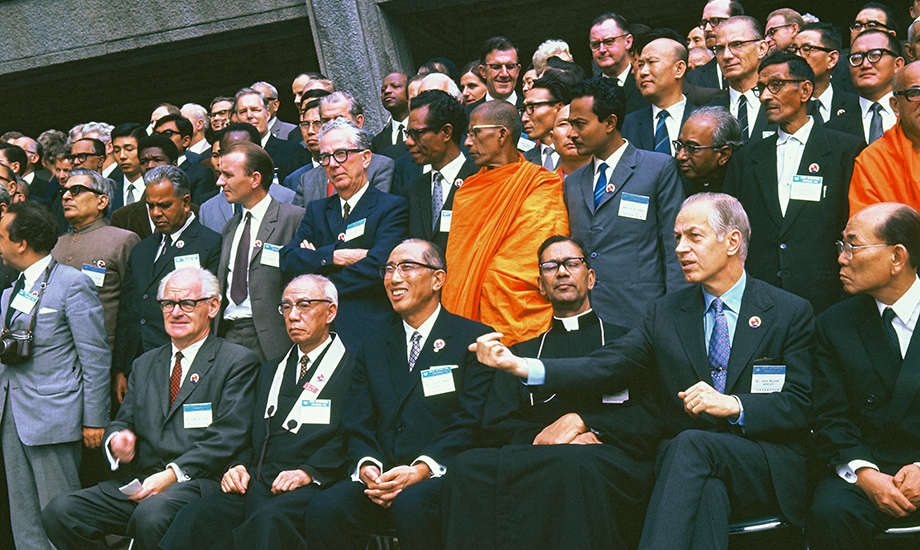
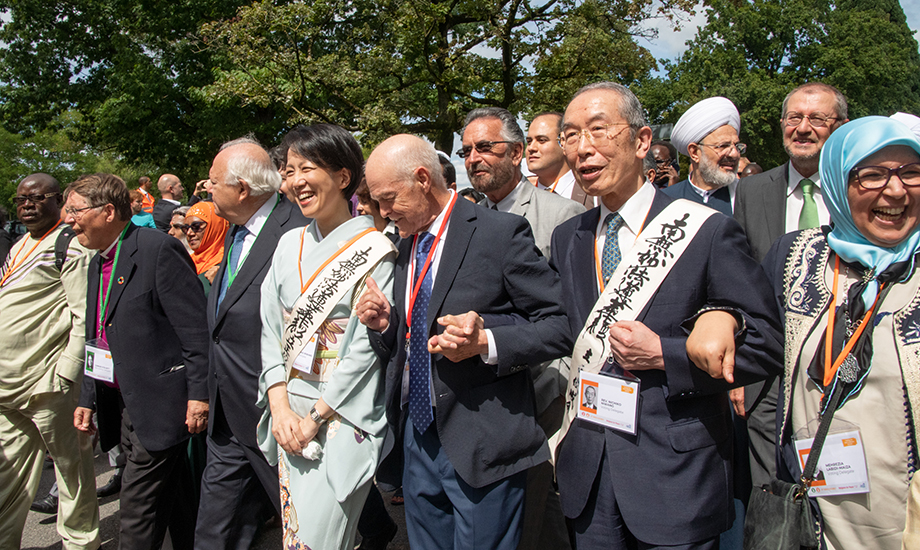
Asian Conference of Religions for Peace (ACRP)
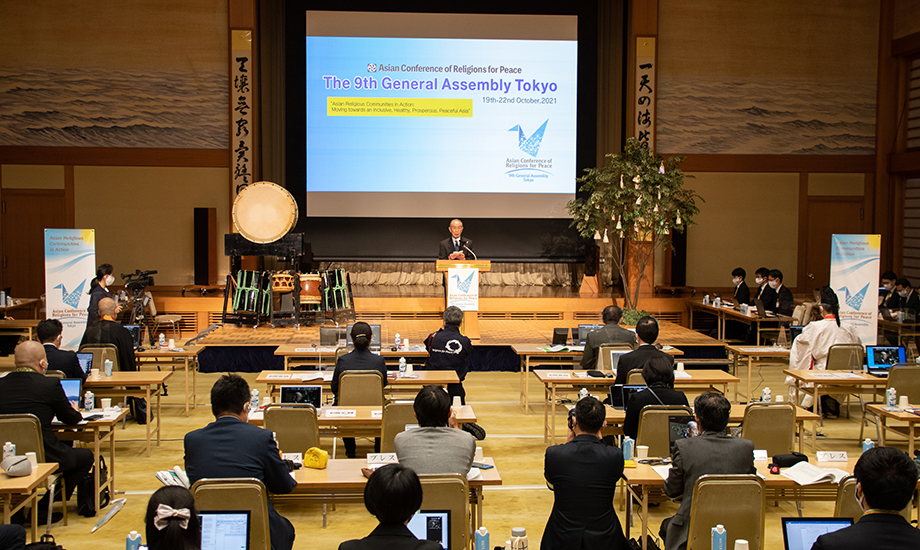
Rissho Kosei-kai has been active in collaborating with Asian Conference of Religions for Peace (ACRP), also known as Religions for Peace Asia, or the interreligious regional body in Asia of Religions for Peace (RfP). The diverse religious communities of ACRP share concerns such as peacemaking, social justice, sustainable development, environmental protection, arms reduction, human rights, and gender equality. ACRP is dedicated to addressing these issues by translating the community’s common concerns into concrete actions.
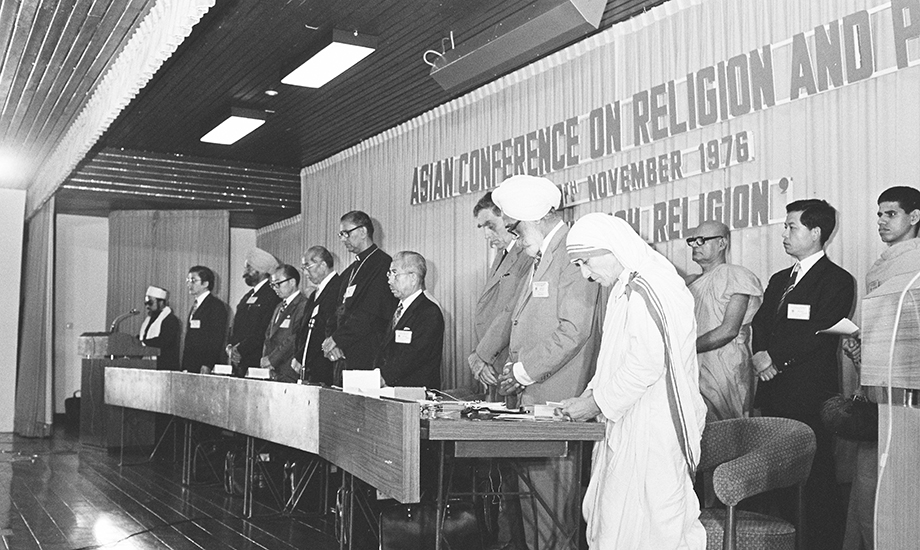
ACRP originated in the second world assembly of Religions for Peace, which took place in Leuven, Belgium, in September 1974. Participants from Asia desired to hold a conference similar to the RfP world assembly but dedicated to their own region so that they could revive the religious values and cultural heritage of Asia, as well as address various problems in the region. Thus in 1976, the first assembly of ACRP convened in Singapore.
Since the first assembly (ACRP I), Asian religious leaders have met at New Delhi, India, in 1981 (ACRP II); at Seoul, the Republic of Korea, in 1986 (ACRP III); at Kathmandu, Nepal, in 1991 (ACRP IV); at Ayutthaya, Thailand, in 1996 (ACRP V); at Yogyakarta, Indonesia, in 2002 (ACRP VI); at Manila, the Philippines, in 2008 (ACRP VII); at Incheon, the Republic of Korea, in 2014 (ACRP VIII); and at Tokyo, Japan, in 2021 (ACRP IX).
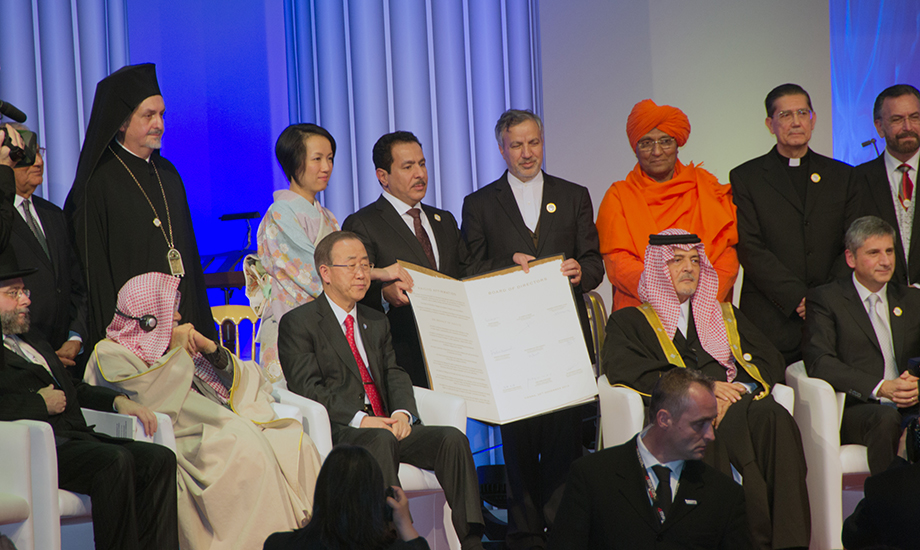
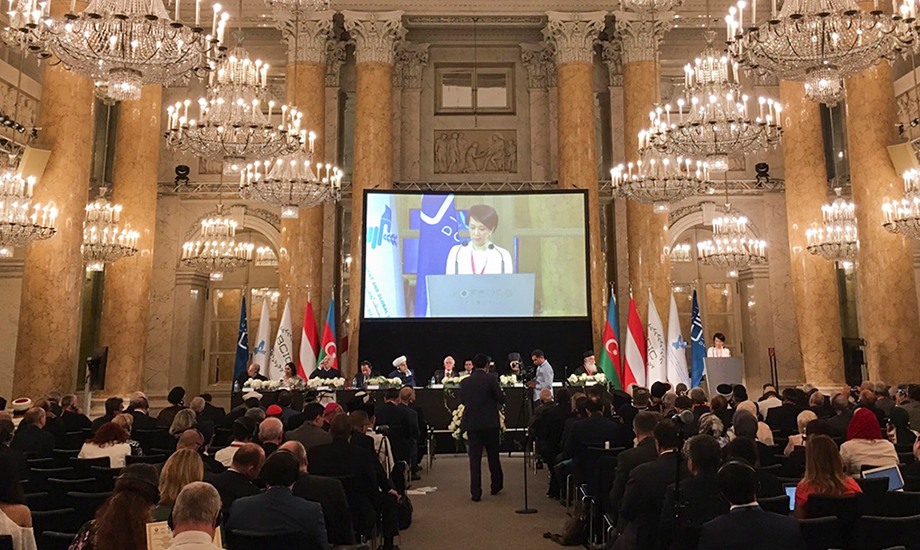
KAICIID (King Abdullah Bin Abdulaziz International Centre for Interreligious and Intercultural Dialogue)
KAICIID (King Abdullah Bin Abdulaziz International Centre for Interreligious and Intercultural Dialogue) was established in 2012 at the initiative of the late King Abdullah of Saudi Arabia to promote international interfaith and intercultural dialogue and contribute to peace. KAICIID is an intergovernmental organization with Austria, Spain, and Saudi Arabia as Founding States and the Holy See as a Founding Observer. It also has the unique characteristic of being a Faith-Based Organization (FBO) whose Board of Directors is composed of representatives of the world’s major religions. Rev. Kosho Niwano, president-designate of Rissho Kosei-kai, has served on the Board since its founding.
As a center for interreligious and intercultural dialogue, KAICIID collaborates with related organizations such as the United Nations and Religions for Peace. It focuses on initiatives promoting peace education, social cohesion, mutual respect, and conflict resolution through dialogue, primarily in the Arab region (including Lebanon), Myanmar, the Central African Republic, Spain, and Austria, while also working globally. It also offers training programs for educators, journalists, government officials, and individuals from various fields to promote interreligious and intercultural dialogue.